8 ways subcontractors can simplify construction planning

By
Marketing Team
@Onetrace
Construction planning is the process of organising how a project will be built by setting timelines, sequencing work, and coordinating people, materials, and equipment.
In the UK, the construction planning system has been described as ‘overly stringent’ and ‘highly unpredictable’, which can raise costs and slow projects down. In that kind of environment, every party involved in the project needs to plan more carefully, communicate more efficiently, and avoid unnecessary complexity wherever possible.
This includes subcontractors, who are close to the work, understand the practical constraints, and can spot issues early.
This guide sets out eight practical ways for subcontractors to simplify construction planning and make life easier for everyone involved, including their own team.
Key takeaways
Construction planning is complex because everything is connected
Multiple trades, tight dependencies, limited resources, and poor visibility all interact. If one part slips, it quickly affects the rest of the project.Planning doesn’t stop when work starts
Unlike other industries, construction planning continues throughout delivery. Keeping plans updated and aligned day to day is what keeps projects under control.Subcontractors play a key role in making plans work
By getting involved early, defining their scope clearly, and sharing real-world input, subcontractors help turn plans into something that actually works on site.Accurate timelines, sequencing, and resource planning prevent most issues
Delays often come from unrealistic schedules and poor coordination. Realistic durations, correct sequencing, and visible resource needs make projects easier to manage.Using the right tools makes planning simpler and more reliable
Staying on top of planning, reporting, compliance, and workforce management is difficult without technology. With Onetrace, subcontractors can manage their teams, track progress, and keep everything aligned in one place, making planning easier and projects more predictable.
What makes construction planning so complex
Setting up a large project is never easy, but planning how to execute a construction project is a different kind of challenge altogether.
The table below outlines the main reasons why:
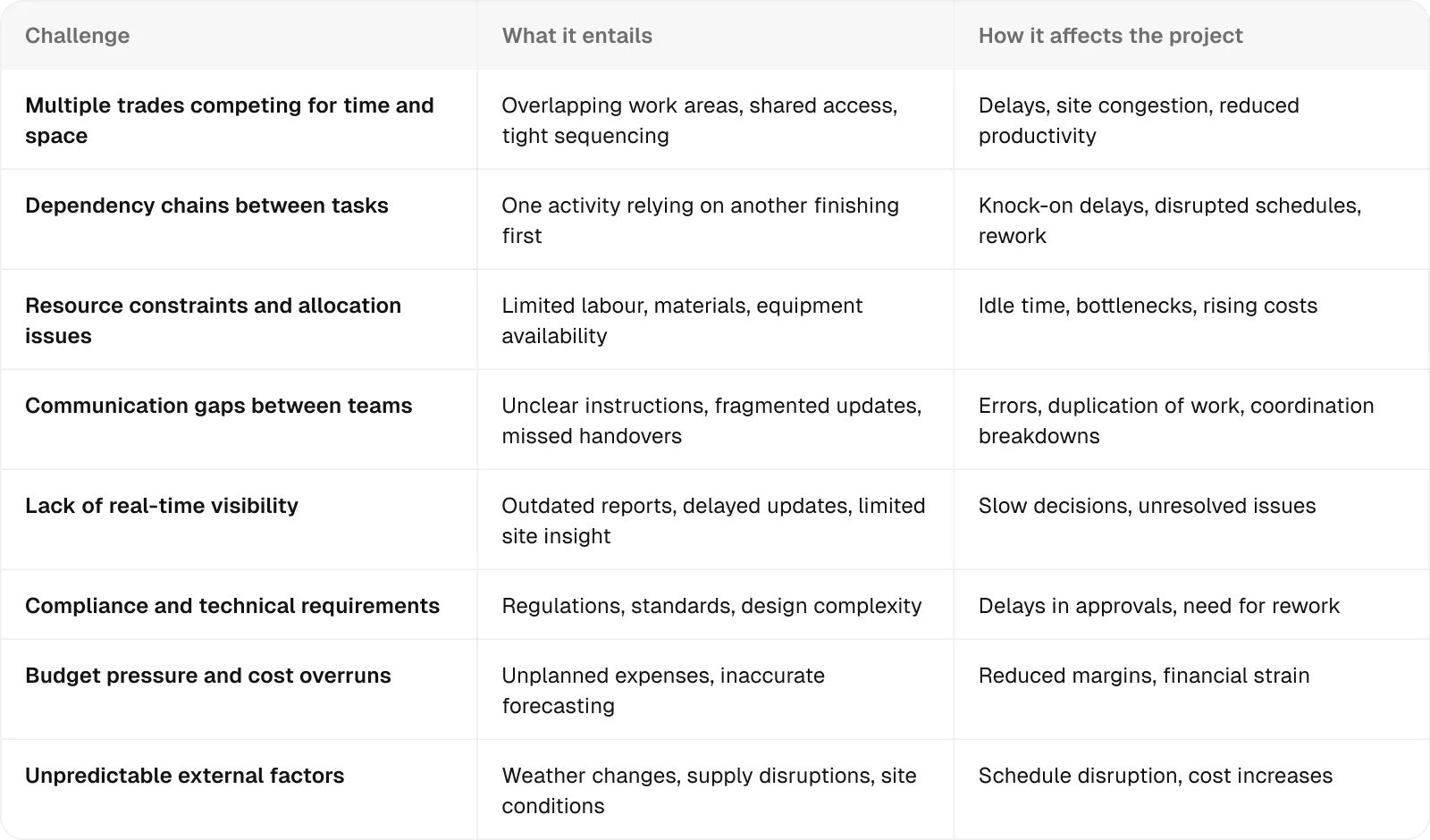
These challenges make construction planning harder to control and keep on track.
Still, it’s crucial to stay proactive and structured. Otherwise, you end up reacting under pressure, constantly firefighting issues, dealing with last-minute changes, and putting your team under unnecessary strain.
What subcontractors can do to simplify construction planning: 8 actions that make a difference
In most industries, planning happens at the start of a project and then gives way to execution.
In construction, planning continues throughout the build. With that in mind, here are eight actions that can help you keep things under control at every stage of the project:
1. Get involved in planning from the start
Construction planning moves through several stages, from early concept and feasibility to project delivery.
Decisions made at the start shape everything that follows, which is why subcontractors need to get involved early, during pre-construction.
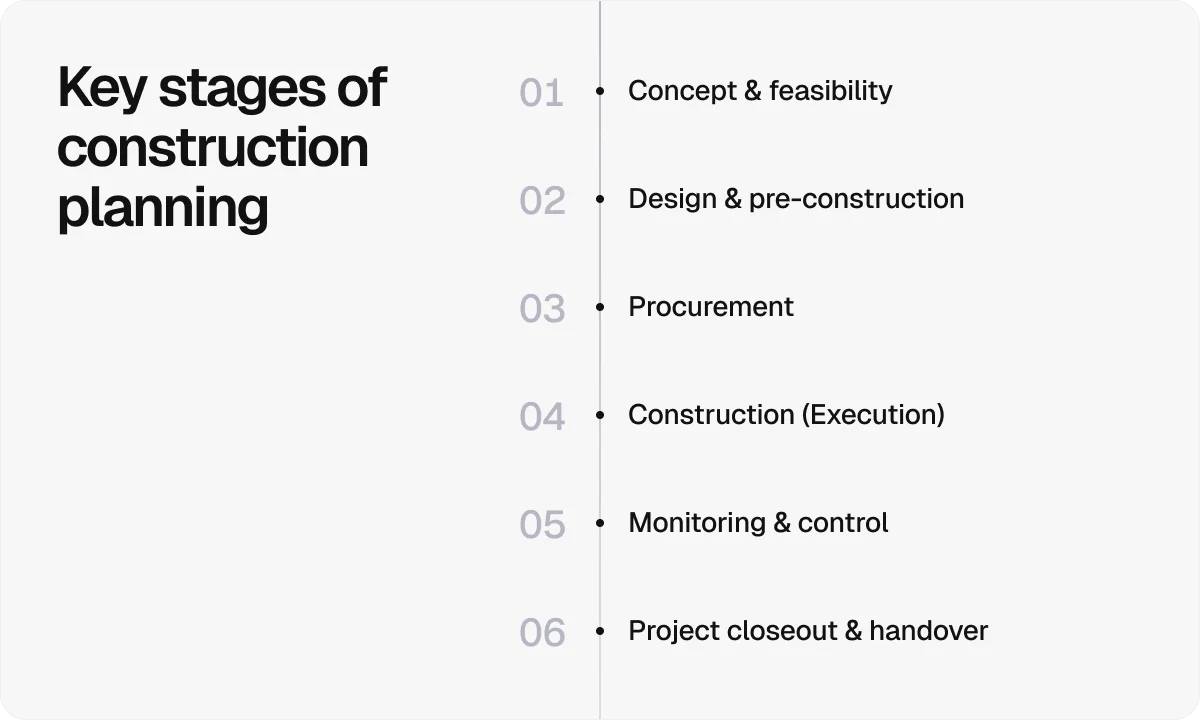
This puts you in a position to flag technical constraints, highlight risks within your scope, and shape a plan that actually works on site.
By stepping in early, you help set the project up on solid ground and make the rest of the process more straightforward for everyone involved.
2. Bring your expertise into the planning process
Specialist trades make up a large share of the UK construction workforce.
In 2024 alone, there were over 100,000 businesses in areas like electrical and plumbing installation, employing hundreds of thousands of people.
That depth of experience is a real asset during planning, as it allows you to:
Define the details others rely on (e.g., what access you need)
Set boundaries around your responsibilities
Manage your crew, materials, and workflows proactively
This reduces the need for constant oversight and prevents confusion between trades.
Pro tip:
You can use workforce management tools like Onetrace to organise your team more efficiently.
This software allows you to:
Track time and attendance with timesheets so you always know who’s on site and when
Monitor daily activity and progress to keep work aligned with the plan
Schedule and reschedule crews quickly using simple visual planning tools
When you can give easy-to-understand, up-to-date information on your workforce, it becomes much easier for others to plan around you.
3. Use your experience to set achievable timelines
In construction, delays are the norm, not the exception.
Even major public programmes like the Levelling Up Fund—which supports large-scale regeneration, transport, and infrastructure projects across the UK—are affected.
Around 95% of these projects have been delayed, with nearly 40% running more than a year behind.
In many cases, the cause is the same: timelines that look good on paper but don’t reflect how the work actually gets done. If task durations are underestimated or don’t match site conditions, delays are built into the schedule from the start.
This is where subcontractors can make a major difference.
You know how long the work takes, what affects productivity, and where delays are likely to happen. This allows you to define realistic timeframes and highlight what needs to happen for the work to stay on track.
While accurate timelines won’t remove all delays, they will make such issues easier to manage and far less likely to disrupt the whole project.
4. Get the sequence right and keep the schedule workable
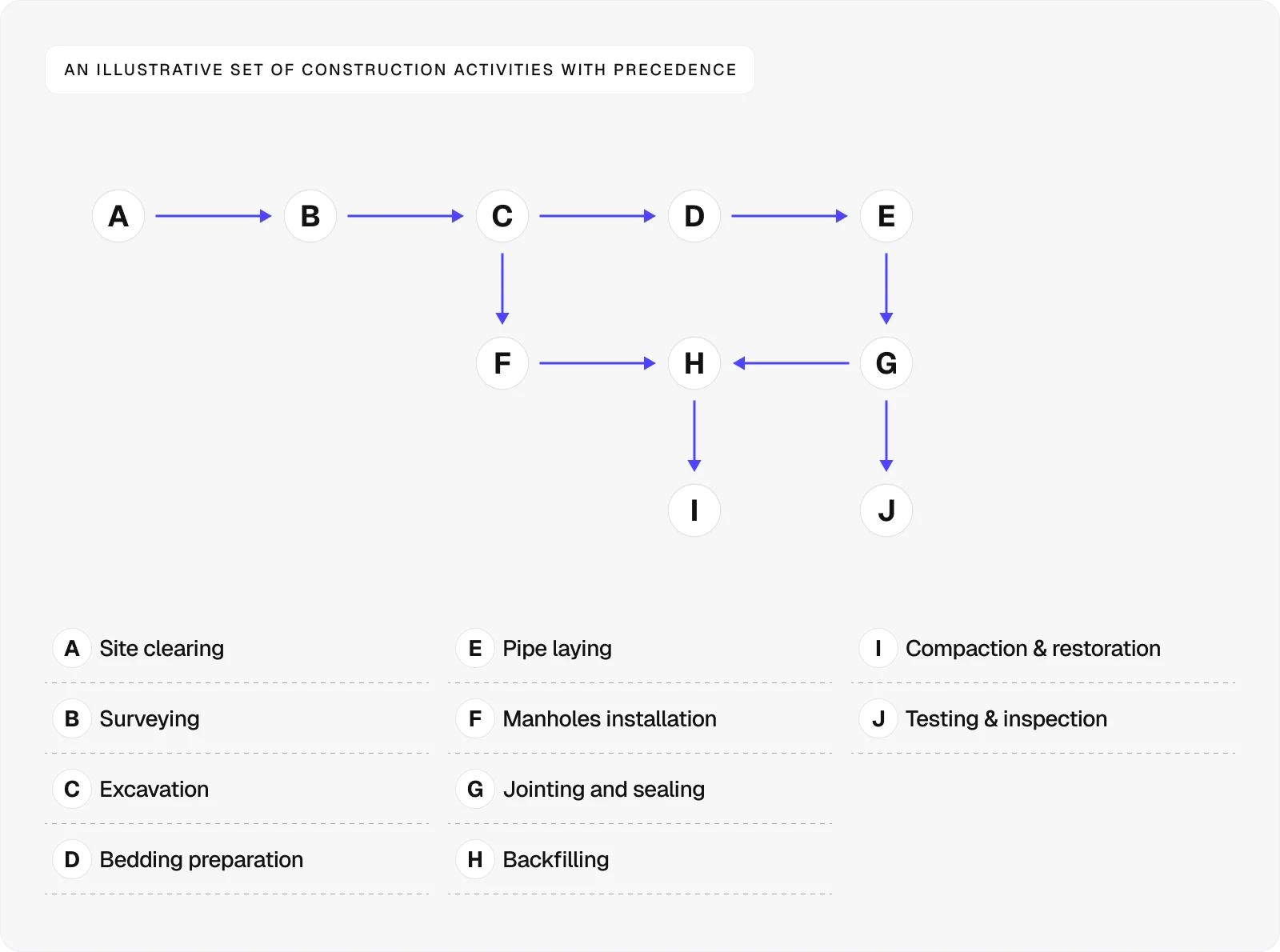
Once timelines are set, the next step is to ensure the work happens in the right order, as poor sequencing can lead to trades overlapping, waiting on each other, or redoing work.
As a subcontractor, you’re in a strong position to prevent these disruptive scenarios.
Start by determining how much time your work takes up in the sequence.
Be specific about details such as curing times, inspections, and access requirements, as these are often overlooked even though they can directly impact the schedule.
Then look at how your work interacts with others.
Agree upfront who goes in first, second, and third in shared spaces. This prevents trade stacking and keeps crews from getting in each other’s way.
5. Define and communicate your resource needs
A schedule only works if the right people, materials, and equipment are available at the right time. As a subcontractor, your role is to make those needs visible early.
Be transparent about what you require for each phase: how many people, what equipment, and which materials. This is especially important for shared resources on more complex sites.
If your work depends on hoists, cranes, or limited access routes, book that time in advance rather than competing for it on the day.
Just as importantly, you should tie all of your needs to the schedule by answering questions like:
When will materials arrive?
Where will they be stored?
When will they be needed on site?
When will your crew be on site, and for how long?
Well-organised resource planning reduces friction on site by keeping work flowing and helping avoid last-minute disruption.
6. Stay on top of your compliance requirements
In the UK, planning and regulatory compliance requirements can add up to 10% to development costs and introduce delays and uncertainty.
So, if compliance isn’t handled properly, it can slow down work just as much as any technical issue on site.
As a subcontractor, you should ensure that nothing on your side introduces delays.
In practice, that means keeping the following secure and organised:
Valid licences and certifications
Up-to-date insurance documents
Completed safety records and audits
Required permits or approvals for your scope
With these documents ready when needed, you also help reduce the administrative burden on the main contractor.
Pro tip:
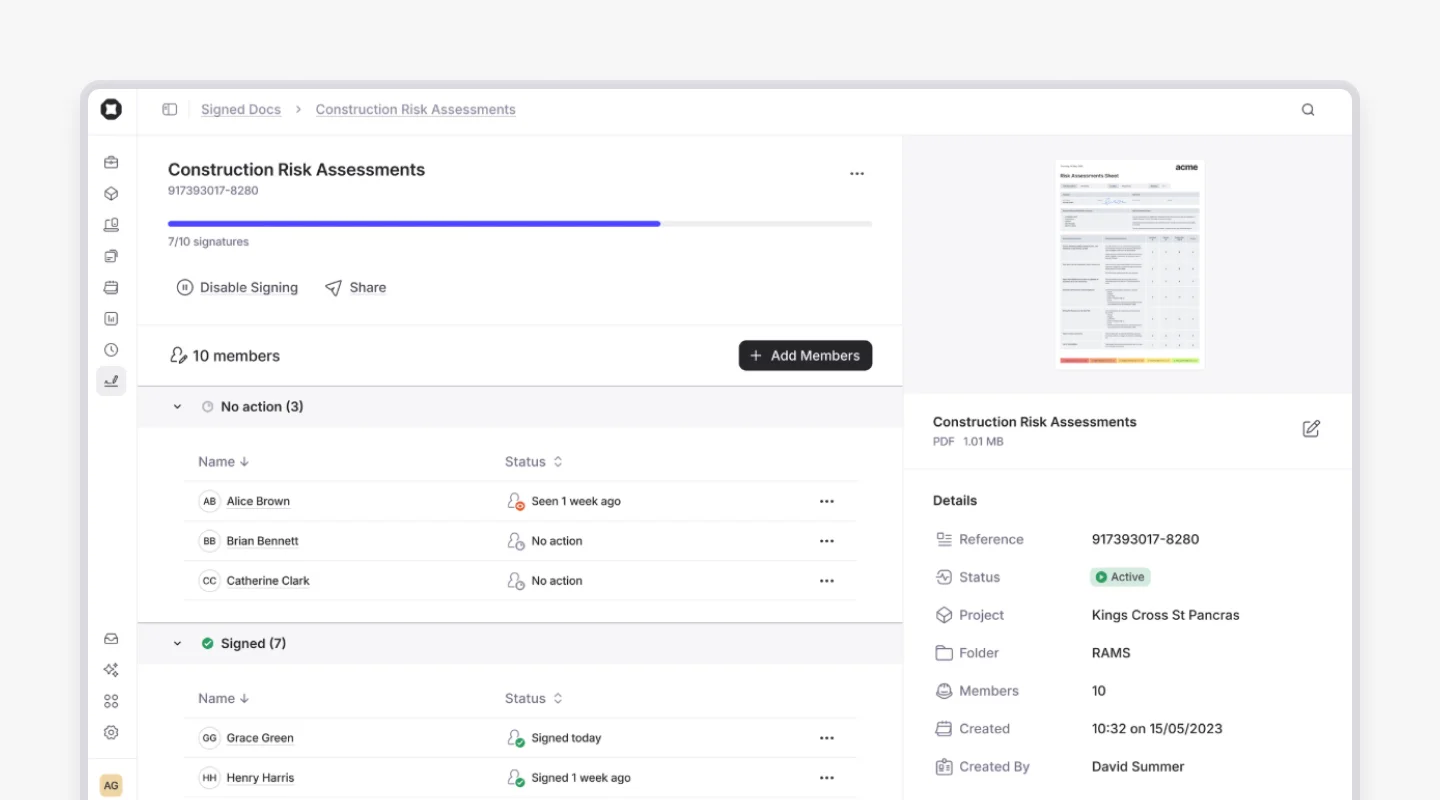
A comprehensive construction site management software tool can help you with managing compliance, too.
With Onetrace, you can store all key documents in one place, request and track signatures for RAMS and Toolbox Talks, and keep records of training and certifications up to date.
7. Report progress every day
Once work begins, further planning depends on accurate, up-to-date information from the site.
By reporting progress in a consistent way each day, you make it easier for the main contractor to see what’s on track and what isn’t.
To achieve this level of clarity, your daily reports should include the following information:
Number of operatives on site (by role or trade)
Hours worked (man-hours)
Work completed that day
Work planned for the next day
Any delays or issues affecting progress
Changes to scope, access, or sequencing
Site conditions that may impact the work
When reporting is standardised like this, small delays can be identified early and addressed before they grow into bigger problems.
8. Stay flexible and keep communication clear
Even if you put immense effort into planning and scheduling, factors outside your control can affect your work progress.
Weather conditions alone disrupted construction schedules for over 70% of UK contractors in 2024.
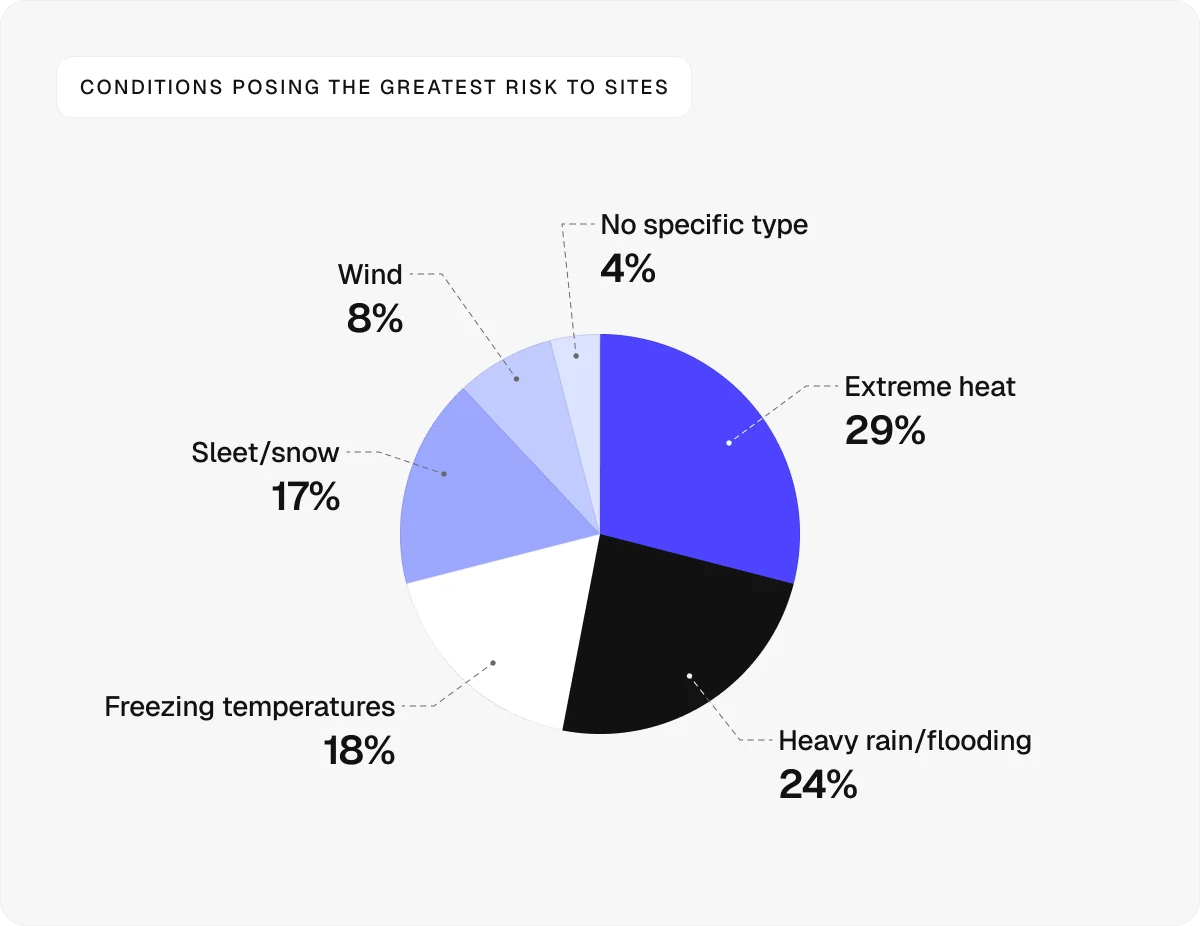
That’s why it’s crucial to stay flexible and foster open communication on and off site.
In practice, this means:
Updating timelines and sequencing as soon as conditions change
Being clear about how changes affect your work and others
Offering practical solutions, not just identifying problems
When all changes are controlled and communicated properly, they become less disruptive for the wider project.
Make construction planning simpler with Onetrace
When subcontractors take an active role in construction planning—not just delivery—the whole process becomes smoother and more predictable. You reduce uncertainty, improve coordination, and make it easier for everyone to do their job properly.
But on modern construction sites, that level of involvement is hard to maintain without the right subcontractor tool.
That’s where Onetrace comes in.
Built specifically for subcontractors, Onetrace helps you take control of both your work and your workforce with two well-thought-out products:
Traceability: Capture site data, attach photos, complete forms, and generate reports all in one place. This makes it easier to prove work, meet compliance requirements, and avoid disputes.
Workforce: Track time and attendance, schedule crews, manage documents, and keep everyone aligned with the plan. You always know who’s on site, what they’re doing, and what comes next.
Together, these tools give you full visibility over your projects, allowing you to make better decisions, experience fewer delays, and spend less time chasing information.
Request a personalised demo to see how Onetrace helps you simplify construction planning, manage your workforce, and keep projects running as expected.
FAQ
What is construction planning?
Construction planning is the process of determining what work needs to be done, in what order, and how it will be resourced and scheduled.
What are the 4 types of planning?
The four types of planning in construction are:
Strategic planning
Operational planning
Tactical planning
Contingency planning
What are the stages of construction planning?
The main stages of construction planning are:
Concept and feasibility
Design and pre-construction
Procurement
Construction and delivery
Handover and closeout
How to do construction planning?
To do construction planning properly, you need to:
Define the scope and key activities
Set realistic timelines based on experience
Sequence work in the correct order
Allocate labour, materials, and equipment
Identify risks and plan for them
Keep plans updated as the project progresses
Marketing Team
@Onetrace
The Onetrace marketing team is passionate about sharing insights, ideas, and innovations that help construction businesses stay connected, compliant, and efficient. Combining industry expertise with a love for clear communication, we aim to deliver content that empowers professionals to work smarter and safer.