8 proven benefits of project management in construction

By
Marketing Team
@Onetrace
Construction project management is the process of planning, coordinating, and overseeing a project from start to finish. Its goal is to make sure work is delivered on time, within budget, and to the required standard.
Its role in the UK has become far more important in recent years.
The sector has seen 20% growth over five years, now contributing around £33 billion to the economy annually.
But what’s driving this expansion?
This guide breaks down the eight benefits of project management in construction that explain why more firms are making it a core part of project execution—and why yours should, too.
Key takeaways
Clear structure is what keeps projects under control
Organising work into defined phases gives teams clarity on roles, timelines, and sequencing. This reduces confusion and makes even complex projects easier to manage.Cost and time issues are common without proper oversight
With the majority of construction projects over budget and delayed, having a system to track spending and progress in real time is essential to avoiding problems before they escalate.Early visibility helps prevent delays, risks, and rework
Effective project management allows teams to spot issues early, coordinate trades properly, and build in checks throughout the project. This reduces downtime, improves safety, and helps avoid costly mistakes.Good coordination depends on having one reliable source of truth
When everyone works from the same plans, updates, and records, communication improves, and disputes are less likely.Using the right software is what makes these benefits possible in practice
Most of these improvements come from working in a structured system, not spreadsheets or messages. A platform like Onetrace brings everything into one place, helping you track work, manage teams, maintain records, and keep projects running smoothly.
1. It splits complex projects into manageable phases
In the UK, more than 60% of construction professionals say delays are primarily driven by planning issues, showing how quickly things can slow down when projects aren’t properly structured.
Successful project management helps restore that structure.
By breaking projects down into defined phases—such as design, procurement, and delivery—construction firms can manage each part more effectively instead of trying to control everything at once.
Thanks to project managers, teams know exactly:
Who is responsible for each part of the project
What needs to be done at each stage
When key tasks and milestones need to be completed
How each phase connects to the next
This level of clarity keeps everyone aligned and makes complex projects far easier to manage day to day.
2. It keeps project costs under control
Cost overruns are one of the most persistent problems in construction.
Research shows that 75% of projects exceed their planned budgets, with an average increase of around 15%.
This figure isn’t surprising given how many moving parts construction projects involve.
With labour, materials, equipment, site costs, and design changes all needing to be managed at once, costs can quickly drift without a system in place to control them.
Effective project management helps build that system by giving teams a structured way to plan, track, and adjust spending throughout the project.
In practice, this comes down to a few key actions:
Setting a baseline budget before work begins
Tracking actual costs against that budget as the project progresses
Controlling changes to scope, so they don’t quietly increase costs
Using cost forecasting to spot potential overruns early
3. It reduces delays and keeps work moving
Delays affect most construction projects, even those backed by government funding and strict oversight.
In a UK government-backed review of infrastructure projects, only 5% were on track or ahead of schedule, while 95% were delayed—many by several months, some for over a year.
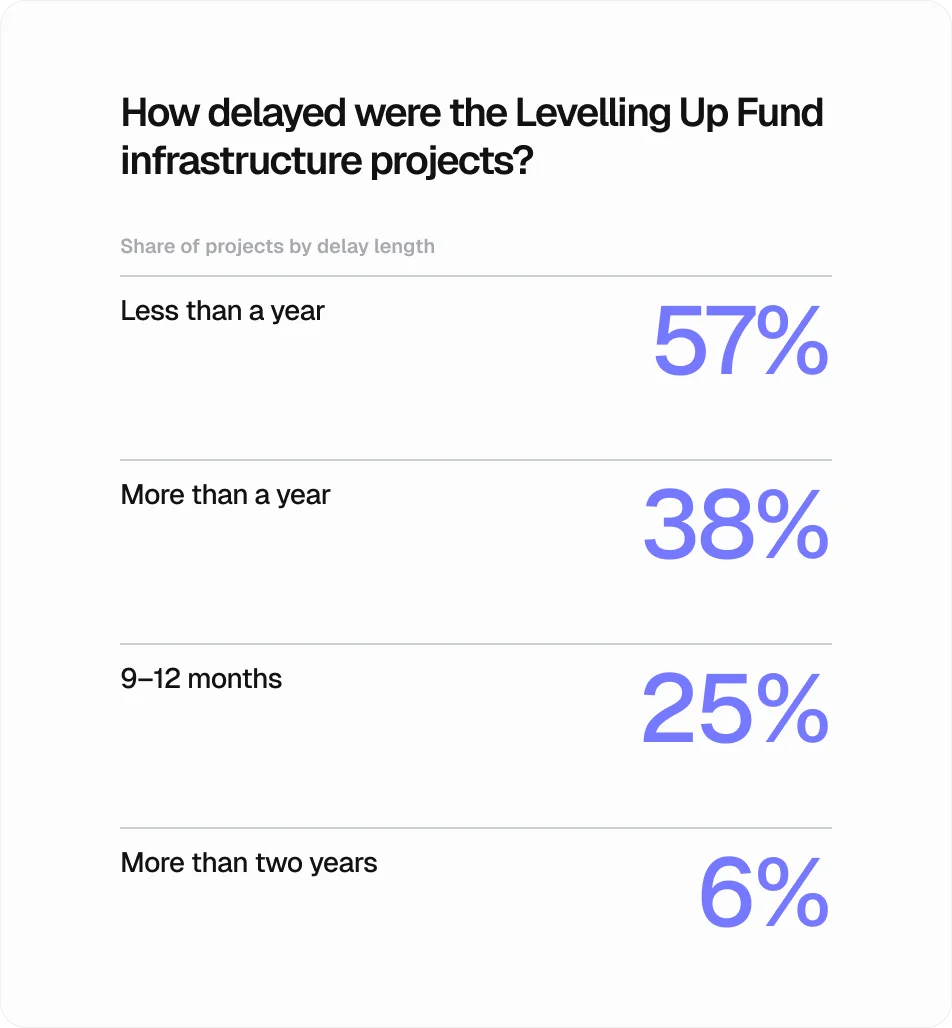
Project managers help tackle delays by giving teams a straightforward schedule and tools to track progress as work moves forward. Instead of reacting to delays after they happen, teams can spot issues early and adjust before they affect the whole project.
This level of oversight is made possible by:
Tracking progress against key milestones in real time, so you can see early if your work is at risk of being pushed back
Understanding what needs to be completed before your team can start, so you’re not left waiting on site
Coordinating handovers between trades, so work flows without gaps or clashes
Focusing on critical tasks that affect access, sequencing, and site availability
4. It helps reduce risk across the entire project
Construction work is unpredictable and dangerous by nature.
In the UK alone, around 50,000 workers suffer non-fatal injuries each year—alongside dozens of fatalities—showing how real the risks are on site.
But risk isn’t just about safety.
Material shortages, design changes, and regulatory issues can all disrupt progress if they’re not handled on time.
With proper project management, teams can stay ahead of these issues by building risk awareness into the project from the start. This means:
Flagging potential risks early, from safety hazards to supply delays
Putting contingency plans in place, so teams know how to respond if issues arise
Building safety checks and compliance into day-to-day work, not as an afterthought
Allowing for time or budget buffers where risks are likely
5. It improves coordination across all teams
Construction projects rely on constant coordination between different teams, including contractors, subcontractors, suppliers, and clients.
When communication breaks down, mistakes follow.
Structured project management helps you avoid these costly mistakes by:
Having one source of truth for plans, updates, and documents
Keeping a record of decisions, changes, and approvals to avoid disputes later
Providing regular updates so everyone knows what’s happening and what’s next
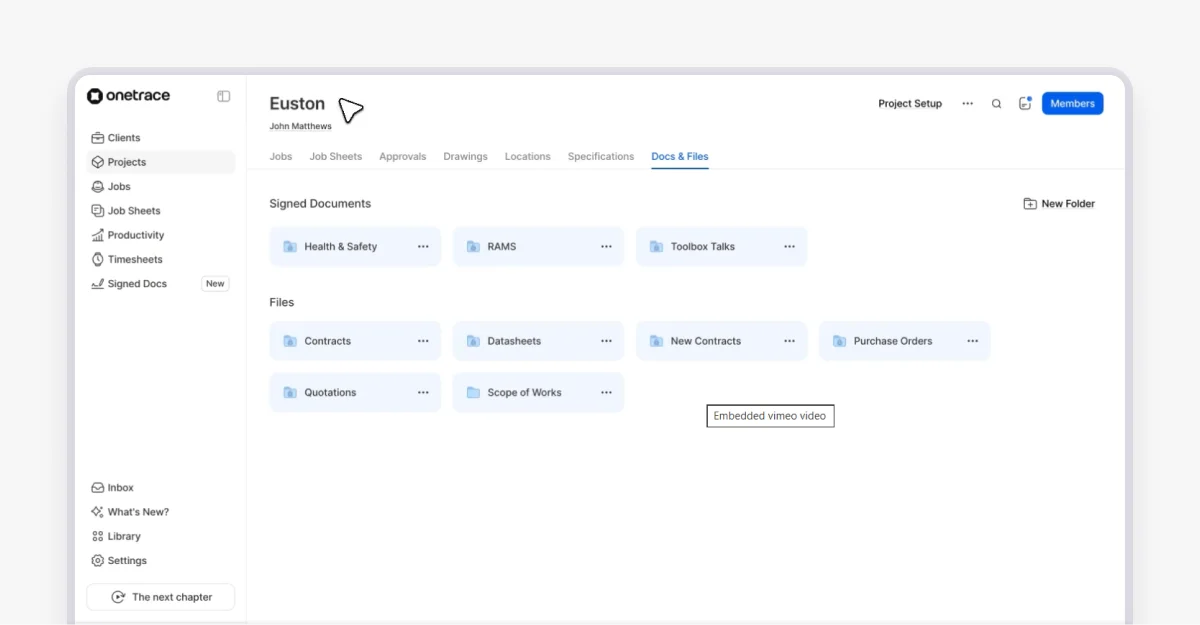
The easiest way to achieve this level of visibility and control is by using a construction project management platform like Onetrace.
This tool gives teams one central place to manage construction projects, so nothing gets lost across emails, messages, or spreadsheets.
Onetrace also facilitates smooth coordination and communication by:
Maintaining a traceable record of what’s been agreed, installed, and completed
Tracking changes to scope in real time, so variations don’t get missed or disputed later
Keeping construction documentation in one place, so teams always work from the latest version
6. It helps teams use resources more efficiently
Resources are often stretched in construction.
The UK industry is currently facing over 140,000 job vacancies, which puts pressure on teams and makes efficient use of available labour even more important.
At the same time, materials, equipment, and site access need to line up. If one piece is missing or delayed, work slows down or stops altogether.
Reliable project management helps bring these moving parts together by linking labour, materials, and equipment to the project schedule. Instead of having teams waiting on site or materials arriving too early or too late, resources are coordinated to keep work flowing.
7. It improves quality across every stage of the build
Across the UK and Europe, building errors account for around 11% of total project costs, with poor coordination and unclear processes among the main causes.
On site, mistakes often come from rushed work, missing information, or inconsistent standards.
To avoid rework that stems from these errors, project managers control quality throughout the project, not just at the end. They do so by:
Checking work at key stages, so issues are caught before the next phase begins
Ensuring teams are working according to the latest drawings and standards
Making sure materials and installations match the required specifications
Pro tip:
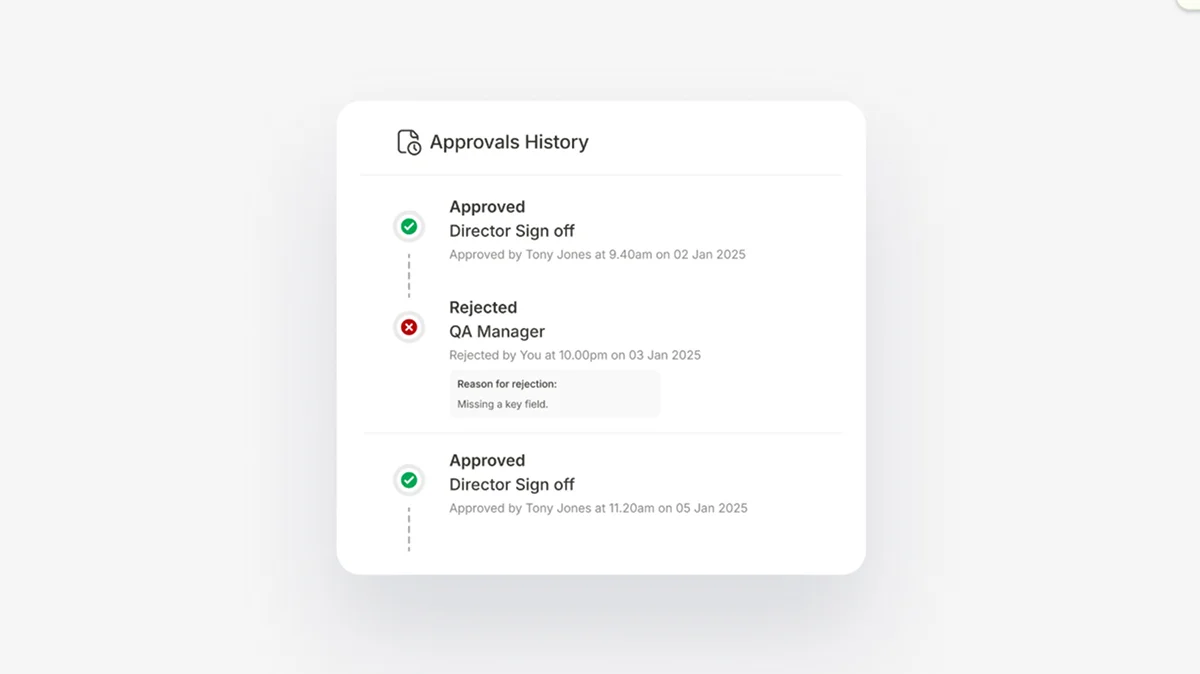
One of the most effective ways to manage quality on site is by setting up structured approvals in Onetrace. The process works as follows:
Operatives submit completed work for review through job sheets.
Supervisors, managers, and clients review the work and either approve it or send it back with practical feedback.
If changes are needed, issues are resolved immediately rather than later in the project.
Once approved, the work is signed off, and the project moves to the next stage.
These multi-stage approvals allow you to catch issues early, reduce last-minute snagging, and spread responsibility across everyone involved in the project.
Even if quality issues arise later on, you have an easy-to-understand record of what’s been approved, by whom, and when, making it easier to resolve disputes.
8. It reduces the risk of compliance issues on site
Construction projects are subject to strict legal, safety, and environmental requirements. Missing a permit, failing an inspection, or not meeting prescribed standards can lead to delays, fines, or work being stopped altogether.
Well-executed project management helps teams stay on top of these requirements by making compliance part of how work is planned, tracked, and delivered. This includes:
Keeping permits, certifications, and compliance documents organised and accessible
Tracking inspections and approvals so requirements are met at each stage
Maintaining accurate records to demonstrate compliance if needed
Pro tip:
While approvals help manage quality, signed documents keep compliance under control.
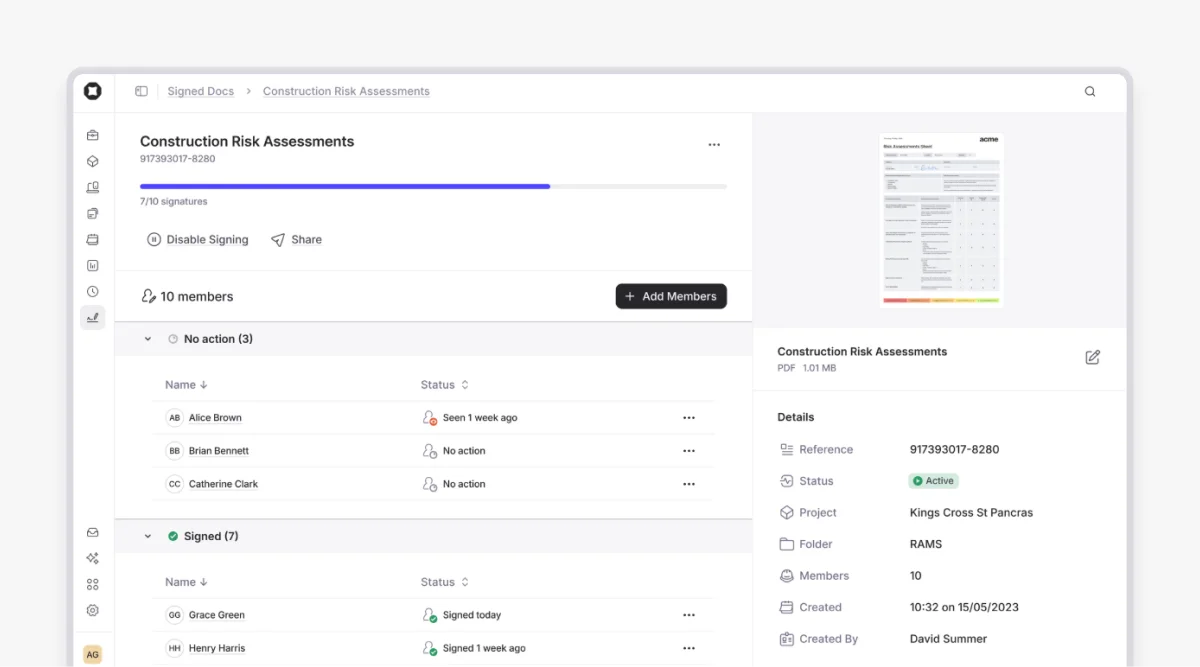
With Onetrace, compliance documents like RAMS and Toolbox Talks can be issued, signed, and tracked in one place.
Onetrace makes this process straightforward by:
Notifying operatives instantly when something needs to be reviewed and signed
Sending documents for signature directly through a mobile app, so teams can sign on site
Allowing documents to be read and signed in a few clicks
This well-designed project management tool also allows you to track who has signed documents in real time, as well as keep a full, time-stamped record of signatures for compliance and audits.
Unlock the full benefits of project management in construction with Onetrace
Most of the benefits of project management in construction come from using the right system day to day.
This means moving away from spreadsheets, messages, and paper trails, and using a purpose-built platform like Onetrace.
Going digital makes a real difference because it gives teams structure, transparency, and consistency across every project.
Onetrace, in particular, combines comprehensive project visibility, workforce tracking, and structured record-keeping into one platform, so you can:
See what’s happening across all projects in real time
Track teams on site and keep schedules tied to real activity
Capture work as it happens, with photographic evidence
Generate reports without pulling information together manually
The result is more predictable delivery, fewer disputes, and less time spent chasing information.
If you want to see how this would work for your projects, book a personalised demo of Onetrace.
You’ll get a practical walkthrough based on how your team works today and a clear view of how to get up and running quickly.
FAQ
What are the benefits of construction project management?
The benefits of construction project management include better planning, tighter cost control, improved communication, reduced delays, and higher-quality delivery.
What is a PM in construction?
A PM (Project Manager) in construction is the person responsible for planning, coordinating, and overseeing a project from start to finish. They manage timelines, budgets, resources, and communication to keep the project on track.
Why is a project manager important in construction?
A project manager is important in construction because they bring structure and control to complex projects. They coordinate teams, manage schedules and budgets, handle risks, and ensure work is completed safely, on time, and to the expected quality standards.
Marketing Team
@Onetrace
The Onetrace marketing team is passionate about sharing insights, ideas, and innovations that help construction businesses stay connected, compliant, and efficient. Combining industry expertise with a love for clear communication, we aim to deliver content that empowers professionals to work smarter and safer.