6 best passive fire protection software to choose in 2026

By
Marketing Team
@Onetrace
Fire protection is one of the most important parts of any building. When it works as intended, it gives people more time to escape safely and helps protect the property in the event of a fire.
The UK passive fire protection market was valued at an estimated £947 million in 2024, with steady growth expected through 2029. Demand is being driven by stricter fire safety legislation introduced after the Grenfell Tower tragedy, alongside the government’s ambitious housing targets and continued investment in infrastructure, energy, and data centres.
Fire doors, fire stopping, compartmentation, and structural fire protection all play vital roles in making buildings safer and meeting regulatory requirements.
But products and installations are only part of the picture.
As projects become more complex and compliance requirements increase, contractors, inspectors, and building owners also need software to record work, capture evidence, manage inspections, and produce the documentation needed to demonstrate compliance.
In this guide, we compare six of the best passive fire protection software platforms available in 2026 to help you find the right fit for your team, projects, and compliance obligations.
Key takeaways
Choose software built for your business
The right platform depends on your trade, team size, and main area of work.Prioritise compliance over features
Look for strong evidence capture, asset traceability, and clear audit trails, not just long feature lists.Specialist platforms save time
Purpose-built passive fire software makes inspections, reporting, and compliance easier than adapting general construction tools.Think about future growth
Choose software that can support more projects, more users, and changing compliance requirements as your business expands.Onetrace is the best choice for specialist subcontractors
Built specifically for passive fire subcontractors, Onetrace helps manage compliance, evidence, and operations in one platform that grows with the business.
Why better passive fire records matter
The need for better passive fire records has never been greater. The UK’s Building Safety Act introduced the golden thread requirement for higher-risk buildings, making structured digital records a legal requirement rather than a matter of best practice.
At the same time, data from the Fire Door Inspection Scheme found that 75% of more than 100,000 fire doors inspected in 2021 failed to meet the required standard, highlighting the importance of accurate installation records, inspections, and ongoing maintenance.
That’s why a greater emphasis is placed on proving that passive fire protection has been installed, inspected, and maintained correctly—a process made much easier with dedicated fire protection software.
How we chose the best 6 passive fire protection software platforms
Evaluating passive fire protection software specifically is different from comparing general field service or construction management tools. You can’t just compare feature lists or review scores; you also need to look at how well each platform supports evidence capture, asset traceability, regulatory documentation, and specialist passive fire workflows.
We used the following weighted scoring system to evaluate more than 20 platforms before selecting the final six:
Passive fire functionality (30%): We assessed how well each platform supports specialist passive fire workflows, including fire stopping, fire doors, compartmentation, penetration management, asset traceability, and inspection records.
Compliance & evidence management (25%): We examined each platform’s ability to capture time-stamped evidence, maintain audit trails, support golden thread principles where relevant, and produce documentation aligned with recognised fire safety standards and accreditation schemes.
Field usability (20%): We analysed the mobile experience, offline working, photo capture, inspection workflows, and overall ease of use, drawing on product testing, vendor documentation, and independent user feedback.
Reporting, integrations & scalability (15%): We reviewed reporting capabilities, construction software integrations, API availability, and support for organisations of different sizes, ranging from specialist contractors to large enterprises.
Market validation (10%): We considered recurring feedback from G2, Capterra, construction technology publications, fire safety trade media, and customer case studies, giving greater weight to consistent themes than isolated reviews.
Top 6 passive fire protection software tools at a glance
Software | Description | Rating | Best for |
1. Onetrace | Construction management software that started as a passive fire protection platform | 5/5 on G2 | Passive fire contractors and specialist subcontractors |
2. Bolster Systems | Passive fire compliance software | N/A | Passive fire installation and maintenance companies |
3. Boris Software | Passive fire asset management software | 4.4/5 on Capterra | Fire door and passive fire asset management companies |
4. FireArrest | Dedicated fire stopping software | N/A | Small fire stopping businesses and growing teams |
5. PlanRadar | Construction management software adapted for passive fire compliance | 4.5/5 on G2 4.4/5 on Capterra | Enterprise passive fire compliance |
6. SafetyCulture | Inspection software configurable for passive fire workflows | 4.6/5 on G2 4.6/5 on Capterra | Businesses that need flexible fire inspection workflows |
Note: Review ratings are based on publicly available scores at the time of writing and are subject to change.
1. Onetrace: Best for passive fire contractors and specialist subcontractors
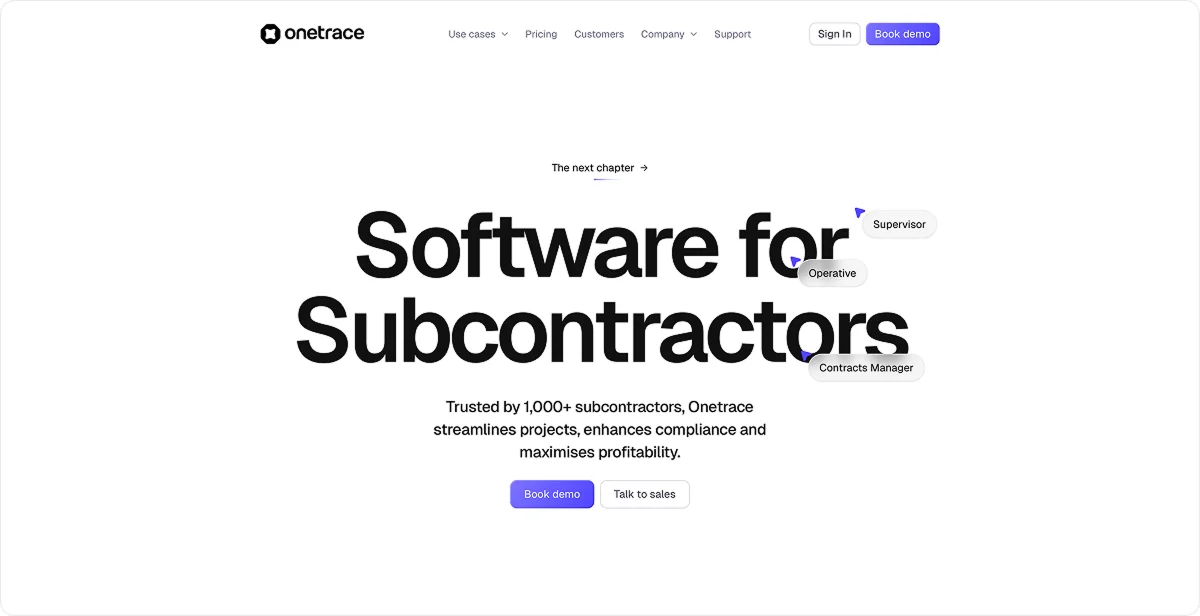
Onetrace is a passive fire protection software platform designed to help contractors manage installations, inspections, and compliance.
Originally developed to solve the day-to-day challenges faced by passive fire contractors, it has since evolved into a broader construction platform trusted by more than 1,000 specialist subcontractors across the UK and beyond.
However, that specialist heritage remains at the heart of the product, giving it a deeper understanding of the compliance, evidence, and project management requirements unique to passive fire protection than more general construction platforms have.
As a result, Onetrace is the top choice for passive fire contractors and specialist subcontractors looking for software built around the way they actually work.
Key features
Onetrace allows subcontractors to create a complete digital record of passive fire work, helping capture evidence consistently from the initial survey to final handover. Its key features include:
Digital forms: Standardise surveys, installations, inspections, and remedial works with custom forms that ensure every project captures the right compliance information.
Drawing-based project management: Pin fire stopping, fire doors, dampers, cavity barriers, and other passive fire assets directly onto digital drawings for accurate location tracking throughout the project.
Photographic evidence capture: Record time-stamped installation and inspection photos against each asset to build a traceable evidence trail for clients and auditors.
Material tracking: Document the products and systems used on every installation, creating a complete record of passive fire materials across the building.
Custom workflows and approvals: Configure project statuses, approval stages, and remediation processes to match your quality assurance and sign-off procedures.
Compliance documentation: Generate structured reports and handover packs that support golden thread requirements and third-party accreditation schemes like FIRAS and BM TRADA.
Client and contractor collaboration: Share project progress, approvals, and documentation with main contractors and clients from a single platform, reducing manual updates and improving transparency.
Offline mobile app: Complete on-site surveys, installations, and inspections without an internet connection, with data syncing automatically when connectivity returns.
Benefits
Onetrace’s extensive capabilities allow passive fire contractors and subcontractors to do the following:
Reduce administrative overhead: Replace paper forms and manual reporting with a single digital workflow that cuts duplication and reduces time spent compiling compliance records.
Improve quality assurance: Standardise how work is recorded across every operative and project, making it easier to identify issues, complete remedial work, and maintain consistent installation standards.
Strengthen client confidence: Provide transparent, well-organised records that demonstrate exactly what work was completed, where it was carried out, and how it meets project requirements.
Scale operations more effectively: Give site teams, supervisors, and office staff access to the same live project information, making it easier to manage larger projects and growing workforces without losing visibility.
Pricing
Onetrace is available on a flexible per-user subscription and offers two products: Traceability and Workforce, which can be purchased separately or together.
For passive fire contractors and subcontractors, Traceability is the essential product, while Workforce is an optional add-on for businesses that also want to manage their workforce within the same platform.
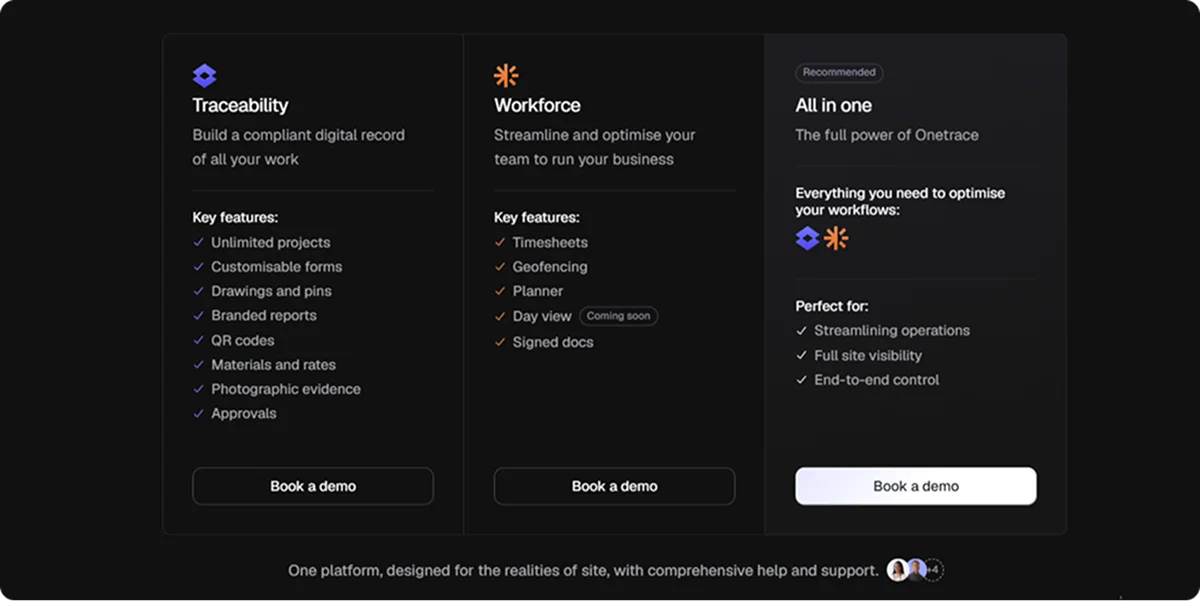
Pricing is available on request, and businesses can add or remove users as project requirements change.
2. Bolster Systems: Best for passive fire installation and maintenance companies
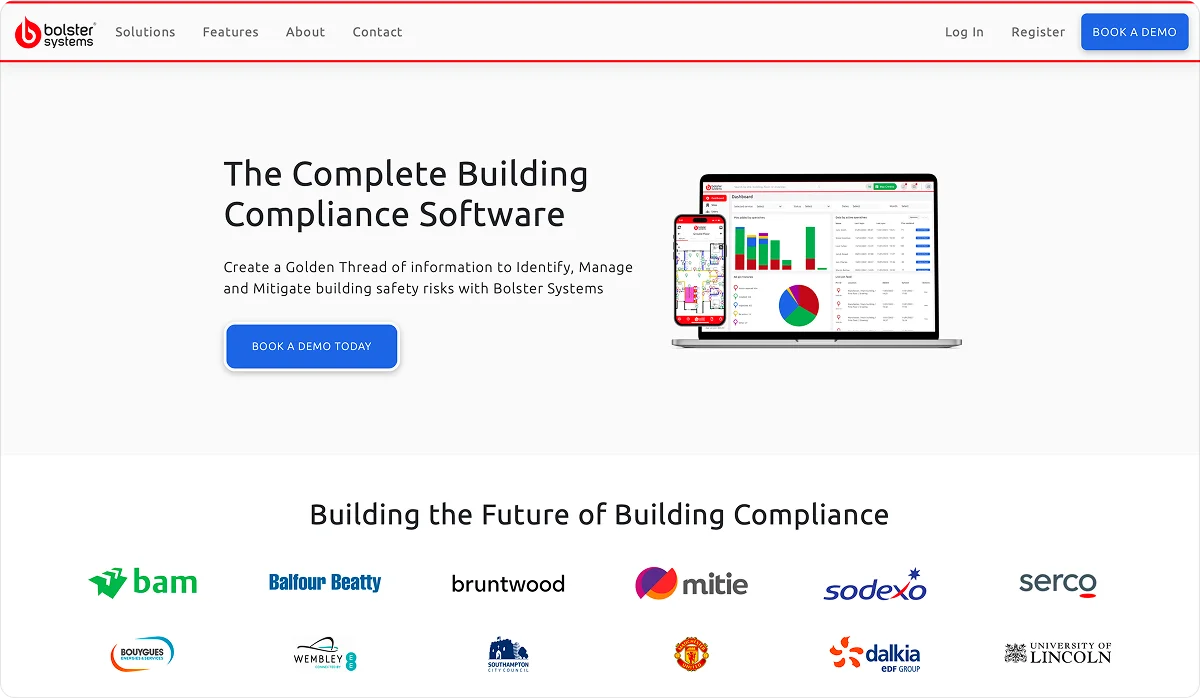
Bolster Systems is a passive fire compliance platform built to support the full lifecycle of fire stopping, inspections, and ongoing maintenance. Trusted by a network of more than 450 survey and installation companies, the platform tracks over 25 million assets and is one of the most established passive fire solutions in the UK.
It’s particularly well-suited to passive fire installation and maintenance companies that need to manage work beyond the initial install, as it combines surveying, remedial works, maintenance, and compliance in a single platform.
Key features
Bolster Systems focuses on keeping passive fire information consistent, with tools like:
Accreditation-ready logging: Record installations against third-party accreditation requirements to produce compliant documentation throughout the project.
Manufacturer database integration: Link approved fire stopping systems to each installation and automatically generate operation and maintenance manuals.
Coded labelling: Print unique labels for individual fire stopping seals to improve traceability during inspections, maintenance, and future remedial work.
Pricing
Bolster Systems provides bespoke pricing based on each organisation’s requirements rather than publishing standard plans.
Note that additional charges apply for features like drawing uploads and certain optional modules.
3. BORIS: Best for fire door and passive fire asset management companies
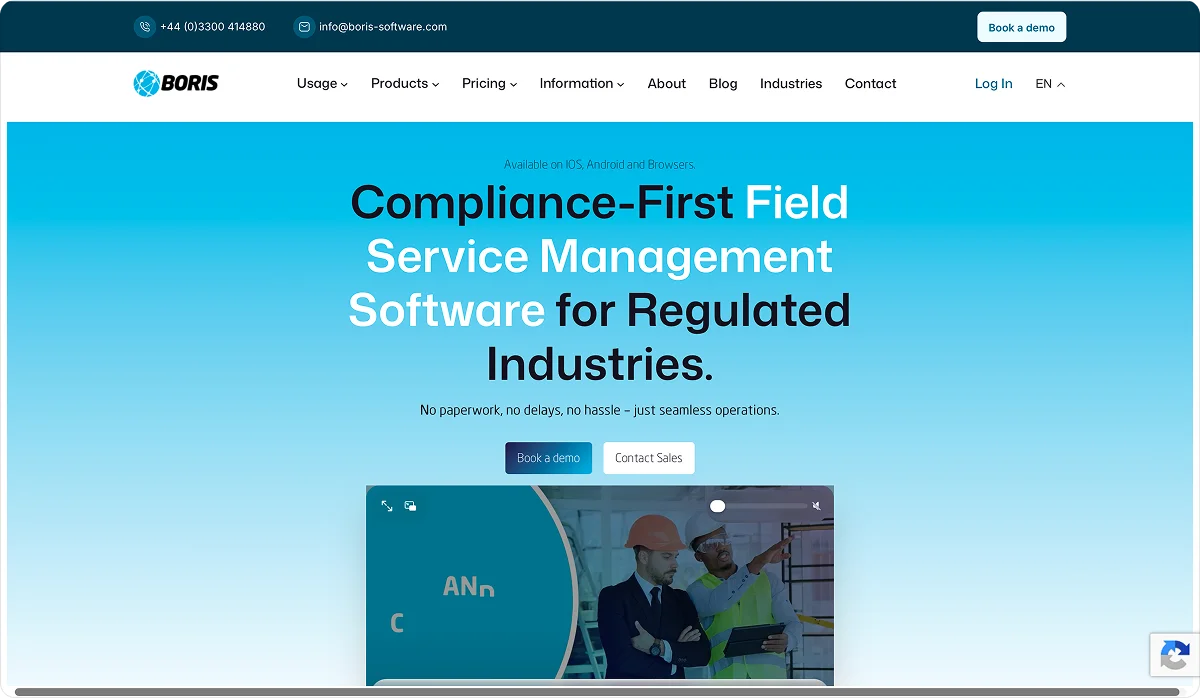
BORIS is a long-established passive fire management platform that has supported fire protection businesses since 2006, with a particular focus on fire doors, compartmentation, and digital asset management.
It’s a strong fit for fire door and passive fire asset management companies because it places long-term asset tracking at the centre of the platform.
Businesses responsible for managing large property portfolios or recurring inspection programmes can benefit from its ability to maintain service histories, schedule planned maintenance, and keep fire safety records organised across multiple sites.
Key features
BORIS is designed to help organisations maintain complete digital records of passive fire assets over time, with features like:
Digital asset management: Transform fire doors, fire barriers, seals, and other passive fire products into searchable digital assets with complete inspection and maintenance histories.
Planned preventative maintenance: Schedule recurring inspections and maintenance tasks to help keep fire doors and passive fire assets compliant throughout their service life.
Live drawings: Mark up floor plans with colour-coded work stages to monitor compartmentation, inspections, and outstanding work in complex buildings.
Pricing
BORIS offers a free plan alongside paid subscription options, with additional customisation available for organisations with more specific requirements.

You should also check for any implementation or optional module costs before purchasing, as some advanced functionality may incur additional charges.
4. FireArrest: Best for small fire stopping businesses and growing teams
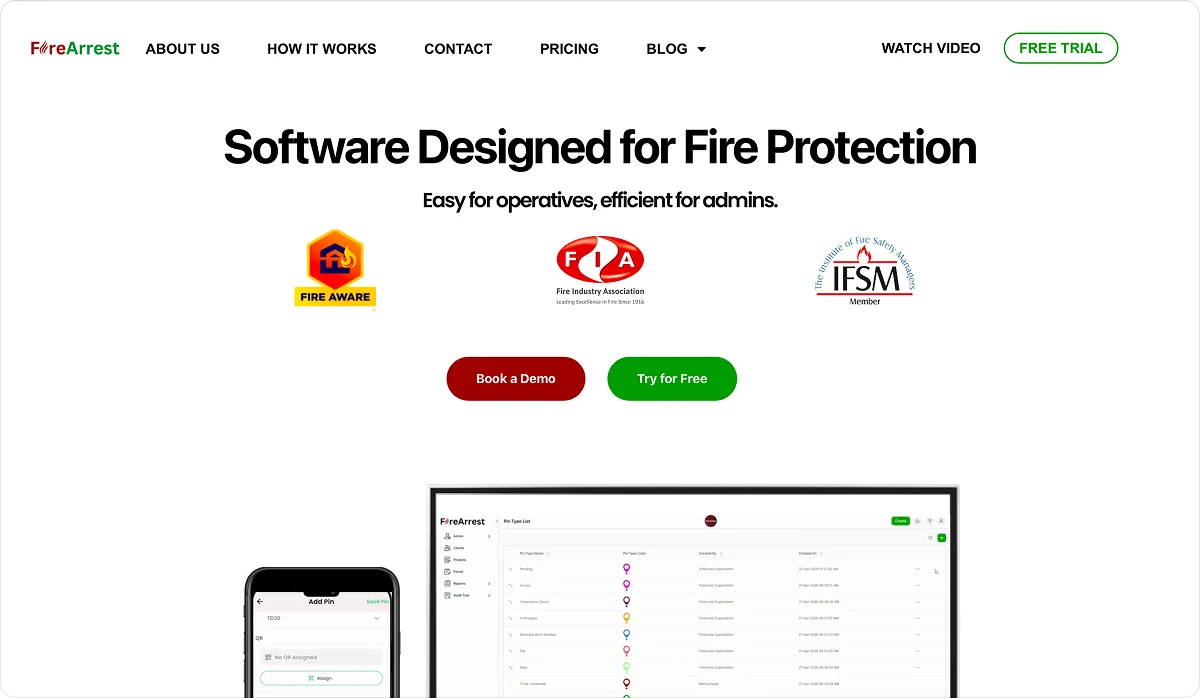
FireArrest is dedicated fire stopping software designed to help contractors manage installations, inspections, maintenance, and compliance in a single platform. It’s the only fire stopping app certified by Fire Aware and has earned a strong reputation for its responsive customer support and straightforward user experience.
FireArrest is a solid choice for small fire stopping businesses and growing teams that want purpose-built software without the complexity of larger enterprise platforms. Flexible plans, free training, and a relatively quick setup make it easier for smaller contractors to adopt digital workflows as their workload grows.
Key features
FireArrest makes fire stopping projects easier to manage, thanks to features like:
Interactive floor plans: Pin penetration seals and completed work directly onto digital drawings to keep installation locations clear throughout the project.
Comprehensive audit trail: Capture an uneditable record of every action taken, creating reliable evidence for inspections, client handovers, and compliance reviews.
AI-powered reports: Generate project documentation automatically to reduce the time spent producing fire stopping reports and progress updates.
Pricing
FireArrest’s pricing scales with team size, making it accessible for both individual contractors and larger businesses.
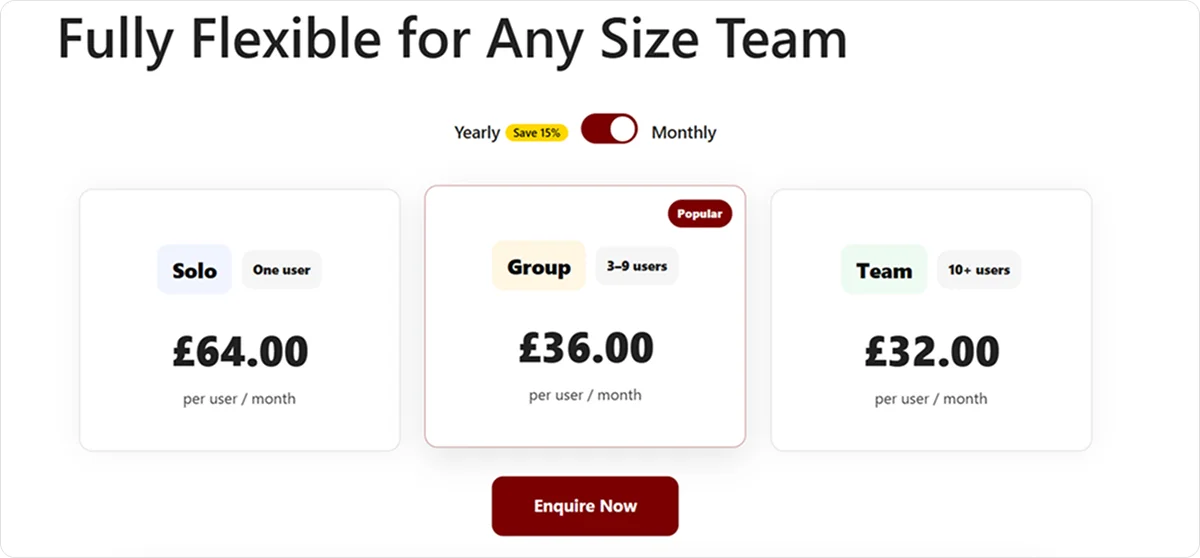
The platform also offers a free trial, allowing companies to evaluate the fit before committing to a paid subscription.
5. PlanRadar: Best for enterprise passive fire compliance
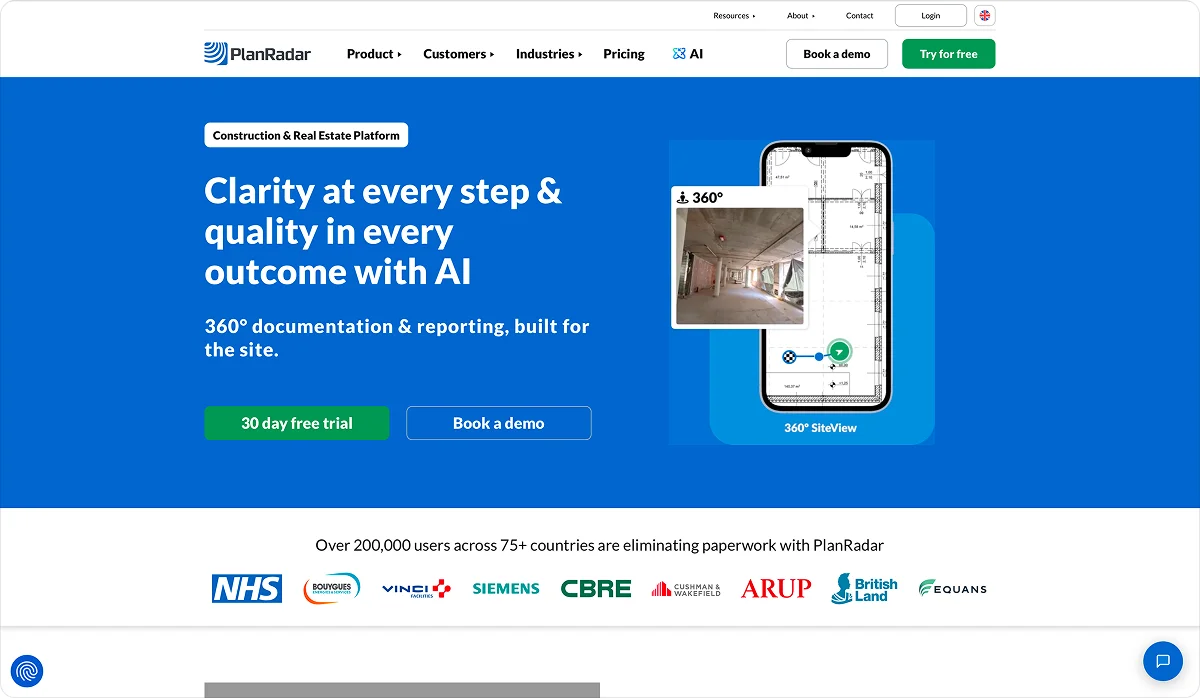
PlanRadar is a construction and facilities management platform that has become widely adopted for passive fire documentation on large projects. Used by more than 200,000 users across over 75 countries, it combines fire safety records with wider construction workflows in a single system.
Large contractors and consultants will get the most value from PlanRadar when passive fire protection is one part of a broader construction programme. Its strength lies in bringing passive fire records together with the drawings, quality management, and project documentation already used for the rest of the build.
Key features
PlanRadar helps organisations coordinate passive fire work through features like:
Digital floor plans: Pin fire doors, compartmentation issues, and other passive fire elements directly onto drawings to keep site records accurate and easy to navigate.
QR codes and NFC tags: Link physical fire safety assets to digital records for faster inspections and a tamper-proof audit trail.
Custom reporting: Produce fire safety reports, compartmentation surveys, and compliance documentation in formats suited to clients, auditors, and regulators.
Pricing
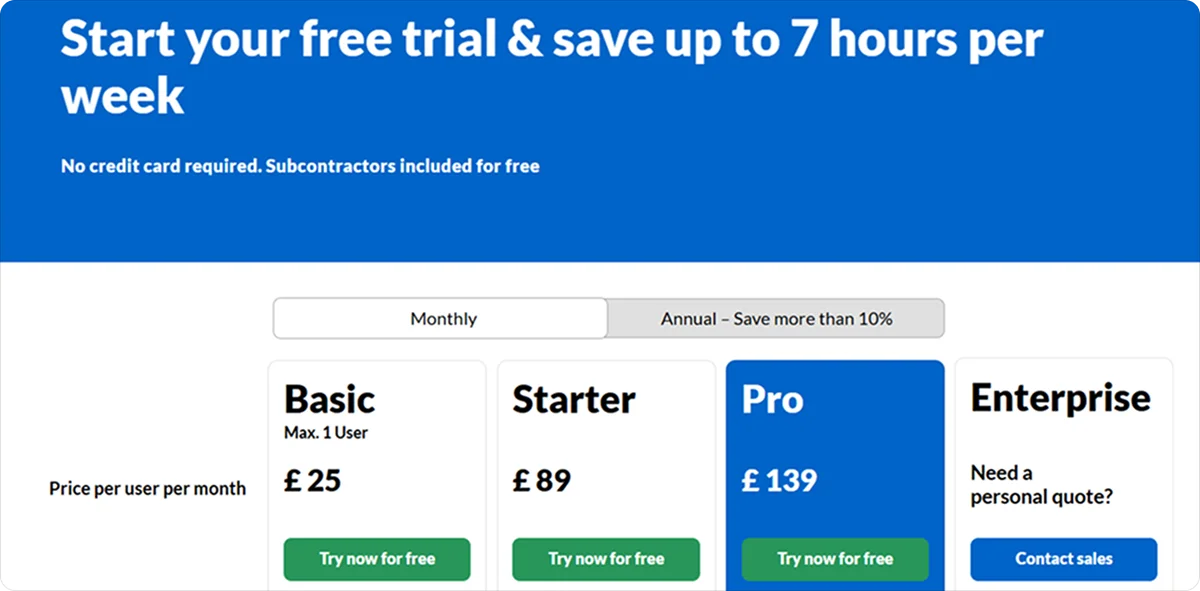
PlanRadar offers several subscription tiers, including a custom enterprise plan for larger organisations with more complex requirements.
6. SafetyCulture: Best for businesses that need flexible fire inspection workflows
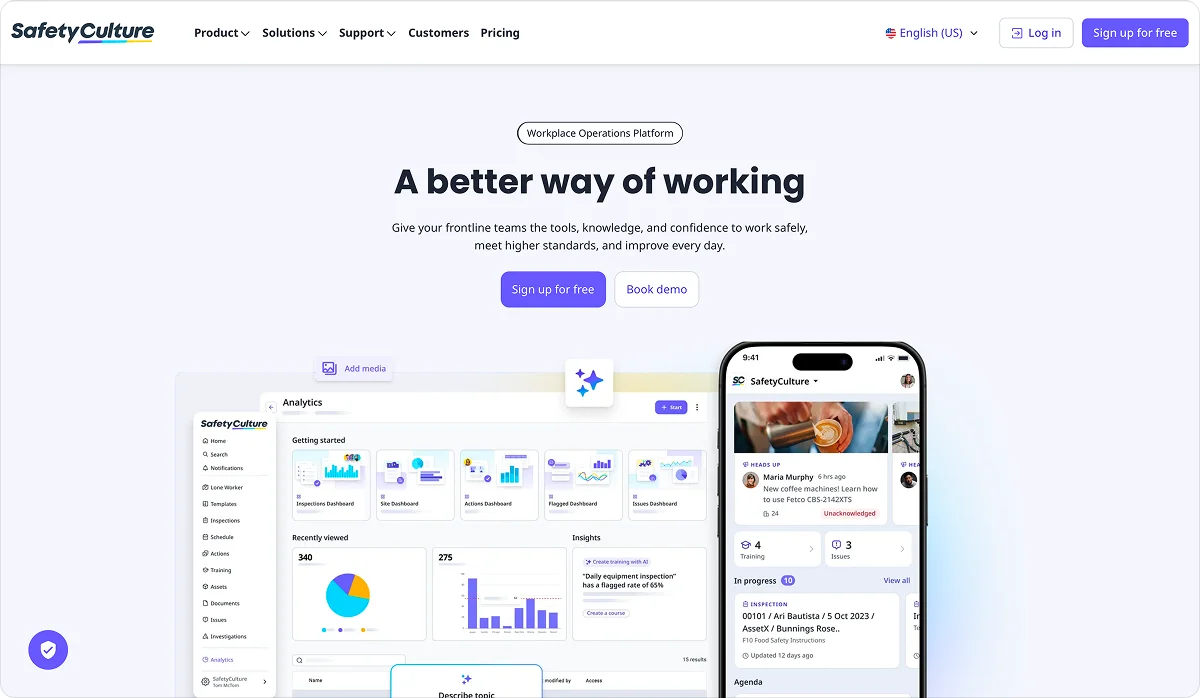
SafetyCulture is a mobile-first operations and inspection platform used by more than 76,000 organisations, with over 1 billion checks completed each year. Originally launched as iAuditor, it has become one of the most widely used inspection platforms in construction, manufacturing, and facilities management.
SafetyCulture allows teams to build and adapt their own inspection forms, so it’s a great choice for organisations with bespoke compliance requirements or broader health and safety programmes.
Key features
SafetyCulture enables organisations to tailor passive fire inspections to their own processes, with features like:
Custom inspection templates: Build or adapt fire door, compartmentation, and passive fire inspection checklists to match your internal procedures and compliance requirements.
Corrective action management: Assign failed inspections to specific team members with deadlines, helping remedial work progress from identification through to completion.
Digital reporting and audit trails: Generate professional reports and maintain a centralised record of inspections, evidence, and document revisions for future compliance reviews.
Pricing
SafetyCulture offers a free plan for smaller teams, along with paid subscriptions that provide additional functionality.

As the platform isn’t purpose-built for passive fire protection, businesses should also factor in the time required to configure their own inspection templates and workflows.
What is the best passive fire protection software for your business?
The best passive fire protection software for your business depends on what type of work you carry out, how big your team is, and whether passive fire protection is your core discipline or just one part of your wider operation.
For example, a large main contractor managing multiple trades across a complex construction project may benefit most from PlanRadar, where passive fire documentation is integrated with quality assurance, defect management, and project delivery.
In contrast, a small fire stopping contractor looking to replace paper records with a straightforward digital workflow may find FireArrest a better fit thanks to its simpler setup and flexible pricing.
If you're a specialist subcontractor, however, Onetrace stands out as the strongest choice for passive fire protection, as it was built specifically around their day-to-day realities.
As your needs expand, you can add workforce management capabilities alongside traceability, and can manage both passive fire compliance and wider business operations from a single system.
Getting started with Onetrace
Choosing passive fire protection software is a long-term decision, so it's worth evaluating how a platform fits your workflows before committing.
Booking a personalised demo lets you explore the features most relevant to your business, ask questions about your processes, and see how Onetrace supports everything from compliance and evidence capture to day-to-day project management.
If you decide it's the right fit, our team can help you get up and running quickly, with guidance tailored to your business and the way your teams work on site.
FAQ
What is a passive fire protection system?
A passive fire protection system is a set of built-in building elements designed to slow the spread of fire and smoke, protecting occupants and giving them more time to evacuate.
What are examples of a passive fire protection system?
Examples of passive fire protection systems include fire doors, fire stopping, cavity barriers, fire-resistant walls and floors, fire dampers, and intumescent coatings.
What is the difference between active fire protection and passive fire protection?
Active fire protection relies on systems that detect or suppress fires, such as sprinklers and fire alarms, while passive fire protection helps contain fire and smoke through fire-resistant building elements.
What are the basic principles of passive fire protection?
The basic principles of passive fire protection are compartmentation, fire resistance, smoke containment, and the maintenance of the integrity of fire-rated building elements.
What is the NFPA code for passive fire protection?
There’s no single NFPA code for passive fire protection. In the US, these requirements are covered across multiple NFPA standards, including NFPA 101 (Life Safety Code) and NFPA 5000 (Building Construction and Safety Code), alongside standards for specific fire protection systems and materials.
Marketing Team
@Onetrace
The Onetrace marketing team is passionate about sharing insights, ideas, and innovations that help construction businesses stay connected, compliant, and efficient. Combining industry expertise with a love for clear communication, we aim to deliver content that empowers professionals to work smarter and safer.